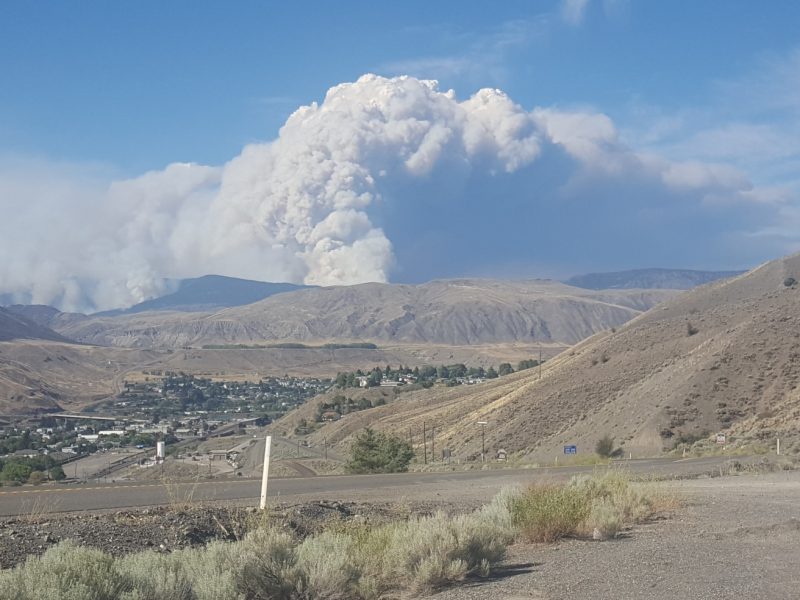
Indigenous evacuees share wildfire experiences in TRU-led research
New research is listening directly to Indigenous people displaced by wildfires to better understand if emergency supports meet their needs.

TRU Law is committed to reconciliation, and has created a mandatory course in response to Call to Action #28 of the Truth and Reconciliation Commission.
Within the law school, you will find student groups, initiatives, courses, and course content that welcomes you and advances your knowledge and awareness of Indigenous issues.
Applicants in this category will be assessed holistically for their academic success potential. TRU Law recognizes that past academic and LSAT performance may not be the only or best way to evaluate a candidate's ability to succeed, particularly in light of Indigenous access to education in Canada and education outcomes generally. Applicants in this category may receive consideration with particular attention to personal history as it relates to past academic performance, connections to Indigenous communities and organizations, employment history, and other factors and indicators of potential for future academic success. Please use the Discretionary text box in the application to provide these details including your connection to or lack of connection to your Indigenous community. Conditional offers may be made to those who the committee decide will need to complete Property Law online over the summer through the USask Indigenous Law Centre prior to starting in September.
Truth and Rebuilding Canadian Indigenous Legal Relations (TRC)
This is a required course for all JD students at TRU Law. This course is designed to provide all students an opportunity to learn the history of Indigenous Peoples and the colonialism that impacted them in order to understand the injustices committed against Indigenous Peoples in Canada and to build a renewed understanding of the Crown-Indigenous relationship. Students examine the key documents and reports that establish the legal, political, and moral basis for reconciliation between Indigenous and non-Indigenous peoples in Canada, including the Royal Commission on Aboriginal Peoples, the Truth and Reconciliation Commission of Canada, and the United Nations Declaration on the Rights of Indigenous Peoples (UNDRIP) and the course will further introduce other international legal obligations that Canada is bound by in regard to Indigenous Peoples.

Indigenous students at TRU Law will find a welcoming environment. TRU offers cultural and educational support services to Indigenous students, creating a sense of community regardless of whether you are from Secwépemcúl’ecw or elsewhere.
The TRU Indigenous Law Students Association is a student-led club, composed of an elected executive body. The TRU ILSA team provide students with a welcome environment and Indigenous student lounge, plus intercultural learning on and off campus through engagement with the TRU community and Tk’ekmlups te Secwépemc.
Cknúcwentn First Nations Court is a sentencing court that commenced sitting in March 2013 at the Kamloops Law Courts. It is held once a month on Fridays and is open to all those who claim Aboriginal ancestry. Cknúcwentn First Nations Court is also open to the public to observe. It is a problem-solving court that uses a restorative justice approach to sentencing and the involvement of the Cknúcwentn Elders Council. The Indigenous Law Students Association at TRU typically coordinates a visit to the Cknúcwentn First Nations Court during the winter semester for interested law students. Students learn about the inner workings of this new legal process and how it is accepting of Indigenous ways of knowing, doing and being.
One of the top Indigenous law events for Canadian universities is coming to Thompson Rivers University (TRU) for the first time next year.
The Kawaskimhon Moot encourages students to tackle a topic through an Indigenous perspective, getting their hands deep into a real-world issue of national importance. For example, this year’s moot was held at the University of Victoria, where teams took on the Coast GasLink Pipeline.
Learn More

Murray Sholty came to TRU as a law student in 2011 and has returned as an instructor. Sholty brings experience, passion and dedication to his teaching and to his career. He talked to us about the value of his legal education and how his past experiences have contributed to his ongoing success.
Learn more about Murray
Chrystie Stewart (BA ’12; JD ’14) appeared in the Federal Court, British Columbia Supreme Court, Provincial Court, BC Human Rights Tribunal, and the Civil Resolution Tribunal. She was part of the inaugural class of TRU Law in 2011 and continues to serve as the Faculty of Law Indigenous Student Liaison, Dispute Resolution II instructor, and coach of the Kawaskimhon National Indigenous Moot competition.
Learn more about ChrystieLearn all about the Indigenous supports and programs or get in touch with an Indigenous future students advisor.
Go to siteWe have an awesome team to support Indigenous students. Plus many excellent resources which you can learn about in the following document.
View DocumentUse this guide to find the scholarships, bursaries, awards, prizes, fellowships and medals available to TRU students.
Learn MoreNew research is listening directly to Indigenous people displaced by wildfires to better understand if emergency supports meet their needs.
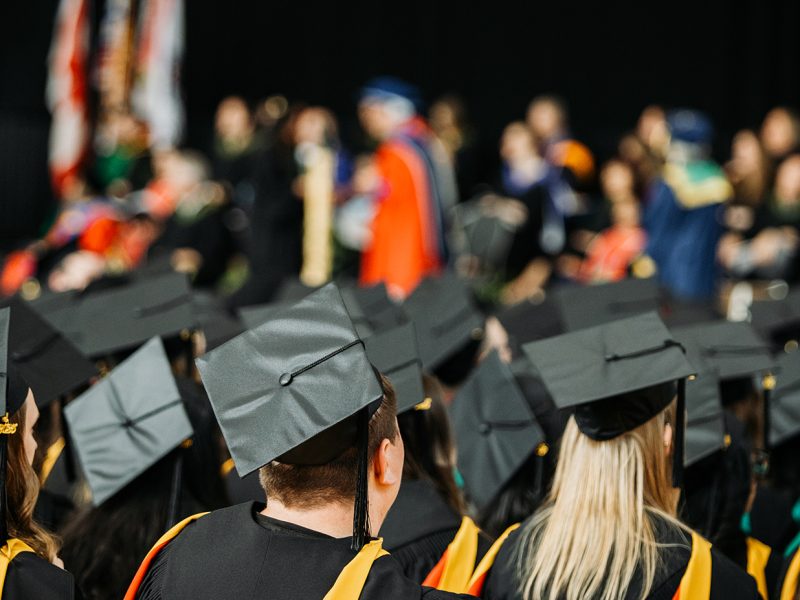
Internationally respected Māori scholar and advocate Dr. Graham Hingangaroa Smith will be recognized at TRU's Fall Convocation on Oct. 9.
Thompson Rivers University is inviting applications from Indigenous scholars for a Tier II Canada Research Chair in Indigenous Health.
Request more information to learn about admissions, application requirements, deadlines and student life. Complete the form and our Admissions team will be in touch to answer your questions and help you take the next step.
Request information